The Washington Post Editorial Board issued a sharp rebuke of Chicago Mayor Brandon Johnson’s latest budget proposal, raising concerns about the city’s long-term financial stability and criticizing what it described as a continued reliance on short-term fixes rather than structural reform, as reported [1] by the Gateway Pundit.
In an editorial published this week, the board focused on Chicago’s deep pension liabilities and warned that Johnson’s plan to close a $1.15 billion budget shortfall through higher taxes, borrowing, and other measures risks worsening the city’s fiscal problems rather than solving them.
“Chicago has long-term structural problems with its finances, thanks in large part to wildly underfunded pensions,” the editorial board wrote.
The board pointed to the city’s history of temporary solutions, including “a notorious 2008 deal that sold off 75 years of future parking meter revenue for $1.15 billion, which was quickly spent.”

“That deal is still hurting finances today, which should have taught local politicians that there is no substitute for serious fiscal reform,” the board continued. “Alas, apparently not.”
The editorial cited data showing significant growth in city spending over recent years, much of it tied to federal pandemic aid that has since expired.
The city’s net operating budget increased nearly 40 percent between 2019 and 2025, according to Grant McClintock of the Civic Federation.
“The pandemic is over, but many of the programs and personnel positions established during that time remain, and without the benefit of the federal funding that previously supported them,” McClintock said, as quoted by the Post.
Mayor Johnson, a Democrat elected in 2023, has proposed a series of tax increases to address the budget gap.
Among them is a plan to raise the tax on leased “personal property,” including computers, vehicles, and software, from 11 percent to 14 percent.
Johnson also wants to revive Chicago’s so-called “head tax,” which would require large employers to pay $33 per worker, per month.
The Washington Post editorial board warned that such measures could damage the city’s economic prospects.
“By making it more expensive to do business or hire workers in the city, these measures threaten Chicago’s future economic growth and tax collections,” the board wrote.
It added that the proposals come at a particularly difficult moment, noting that the Chicago Federal Reserve’s 12-month hiring outlook is “the weakest it’s been since the pandemic.”
Illinois Gov. JB Pritzker, also a Democrat, has publicly criticized the proposed head tax, saying it would penalize employment.
Johnson was asked about Pritzker’s concerns during a recent press event and rejected them, defending his approach to closing the budget gap.
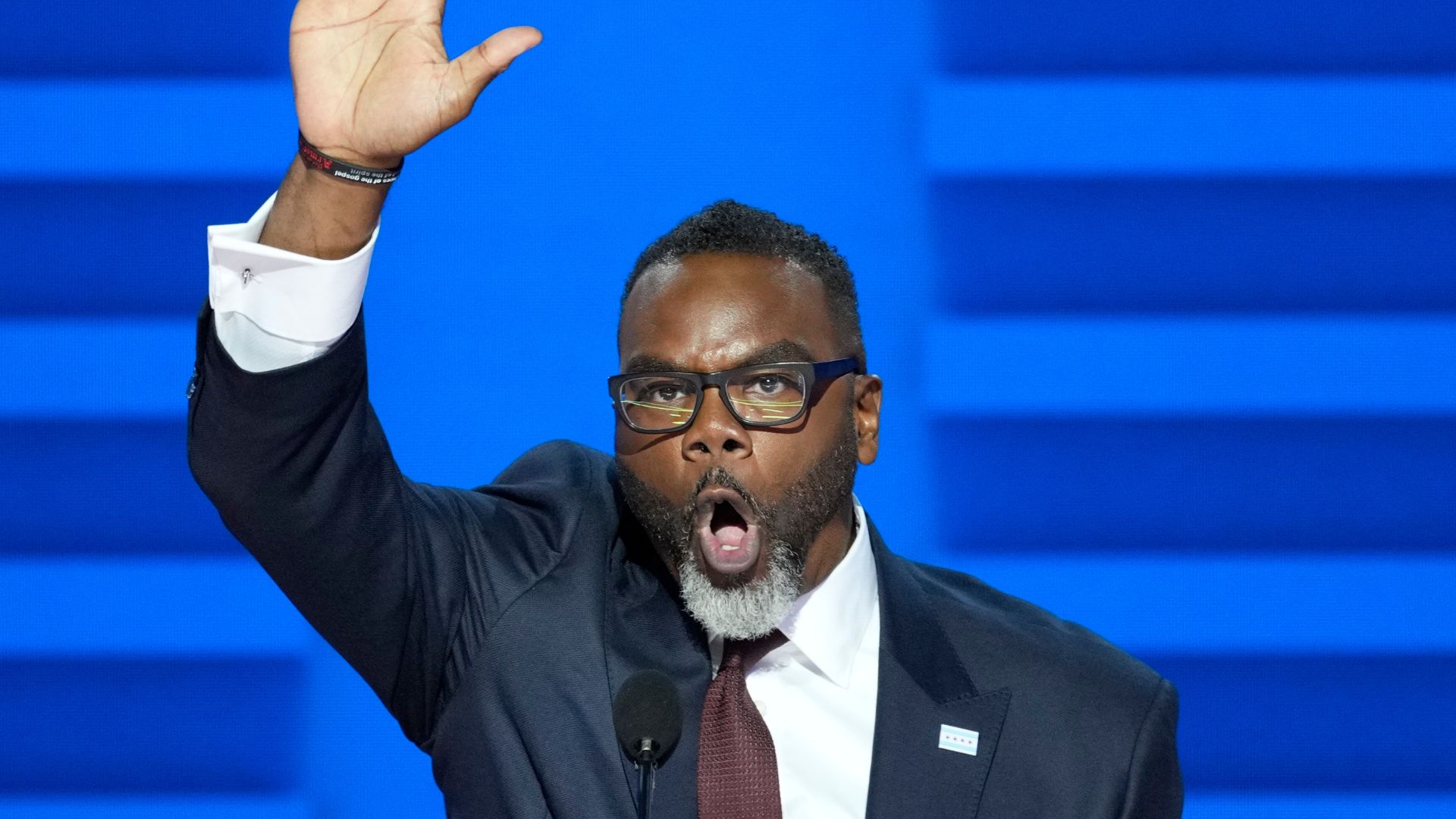
WATCH: Chicago Mayor Brandon Johnson responds to a Washington Post editorial today that criticized his head tax proposal.
“Their information is wrong. But it wouldn’t be the first time a publication got something that I’ve done wrong.” https://t.co/3mYKqd4FuU [2] pic.twitter.com/gxOTusSK3w [3]
— Austin Berg (@Austin__Berg) December 15, 2025 [4]
The Post editorial framed Johnson’s plan as a continuation of what it described as Chicago’s pattern of avoiding difficult fiscal choices, relying instead on borrowing, tax increases, and temporary measures to cover long-term obligations.
The criticism is notable given the newspaper’s generally favorable stance toward Democratic leaders and policies. In this case, the editorial board concluded that Chicago’s approach to budgeting reflects a failure to confront fundamental financial realities.
The city now faces the challenge of addressing pension obligations, expiring federal support, and a slowing economic outlook, all while debating whether Johnson’s proposed tax increases will stabilize city finances or accelerate economic pressure on businesses and workers.